In 2026, the world’s central banks have split into three distinct camps in response to the same global shock — the Strait of Hormuz-driven oil spike. Some, like the US Fed, are debating rate hikes. Others, like the Bank of Canada, are holding steady on soft domestic demand. And several emerging-market central banks, like Bank Indonesia and the State Bank of Pakistan, are managing currency stability above all else. Here’s how six of them compare.
Why this comparison matters more than any single rate decision
Every central bank story gets covered in isolation — a Fed hold here, a Bank of England pause there. But 2026 is a rare year where nearly every major central bank is responding to the same external shock (the Middle East war and Strait of Hormuz oil disruption) with meaningfully different playbooks, based on their domestic starting conditions. Comparing them side by side reveals more about each economy’s underlying vulnerabilities than any single-country readout can.
United States: from forward guidance to pure data-dependence
Fed Chair Kevin Warsh has ended the Fed’s practice of forward guidance entirely, arguing markets should react to incoming data rather than to Fed signaling (Deloitte Insights) — a shift covered in full in our Warsh doctrine explainer. Strategists now flag the possibility of a rate hike in the second half of 2026, not a cut, given tariff-driven and AI-investment-driven inflationary pressure layered on top of oil costs (CNBC).
United Kingdom: caught between growth support and inflation risk
The Bank of England’s Monetary Policy Committee voted 7-2 to hold Bank Rate at 3.75% in June, with Governor Andrew Bailey warning that even as oil prices ease, energy costs already embedded in the pipeline will keep feeding into inflation (Hanbury Wealth). By July, BoE Chief Economist Huw Pill — one of two MPC members who voted for a hike rather than a hold — warned rates may need to rise again if inflation, currently at 2.8% against a 2% target, proves more persistent than expected (CPA).
Canada: holding at the bottom of neutral
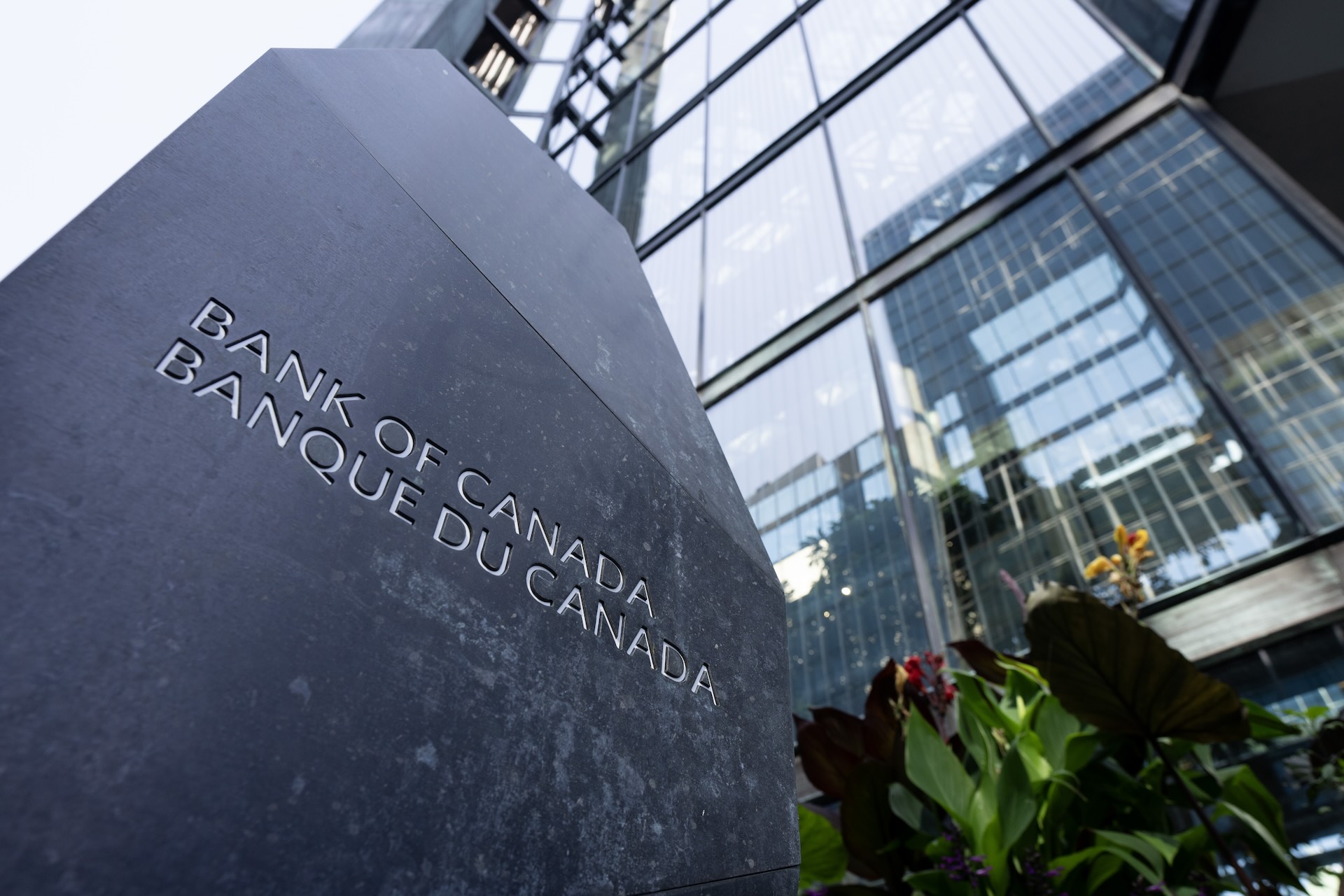
The Bank of Canada has kept its policy rate steady, with core inflation readings around 1.6% — below the 2% target — giving policymakers room to hold rather than tighten. Economists expect the Bank of Canada to remain at the bottom of its neutral range through year-end, since the domestic growth picture, outside the energy sector, remains soft (BNN Bloomberg).
Singapore: stability as policy
The Monetary Authority of Singapore has held its policy stance steady, supported by inflation contained within a 1-2% band even as GDP growth surprised to the upside at 6.0% year-on-year in Q1 2026 (Joey Choy Newsletter) — a dynamic explored in our Singapore capital magnet piece.
Indonesia: shielding consumers from imported inflation
Bank Indonesia has held its BI Rate at 5.75% through June 2026, while the government’s fuel-price freeze mechanism is specifically designed to keep rising global energy prices from feeding directly into domestic inflation (OECD). Inflation is still projected to climb to 3.4% in 2026 as some of that pressure eventually passes through — a dynamic tied directly to the trade deficit covered in our Indonesia biodiesel and coal analysis.
Pakistan: rate cuts, then a hold, anchored by remittances
The State Bank of Pakistan’s Monetary Policy Committee cut its policy rate by 50 basis points in December 2025 before holding at 11.5% through June 2026, as inflation moderated to 11.7% by May (Business Recorder; IMF). Unlike the other central banks on this list, Pakistan’s policy stability is more directly underwritten by record remittance inflows than by domestic monetary tools alone — a vulnerability explored in our Pakistan remittance analysis.
The pattern across all six
What emerges is a rough sorting by exposure type: energy-cost-exposed advanced economies (UK, and to a lesser extent the US) are the ones actually debating hikes; energy-producing or energy-insulated economies (Canada, Singapore, Indonesia via its subsidy shield) can afford to hold; and remittance- or reserve-dependent emerging markets (Pakistan) are managing external stability as the primary lens, with domestic rate-setting playing a secondary role.
